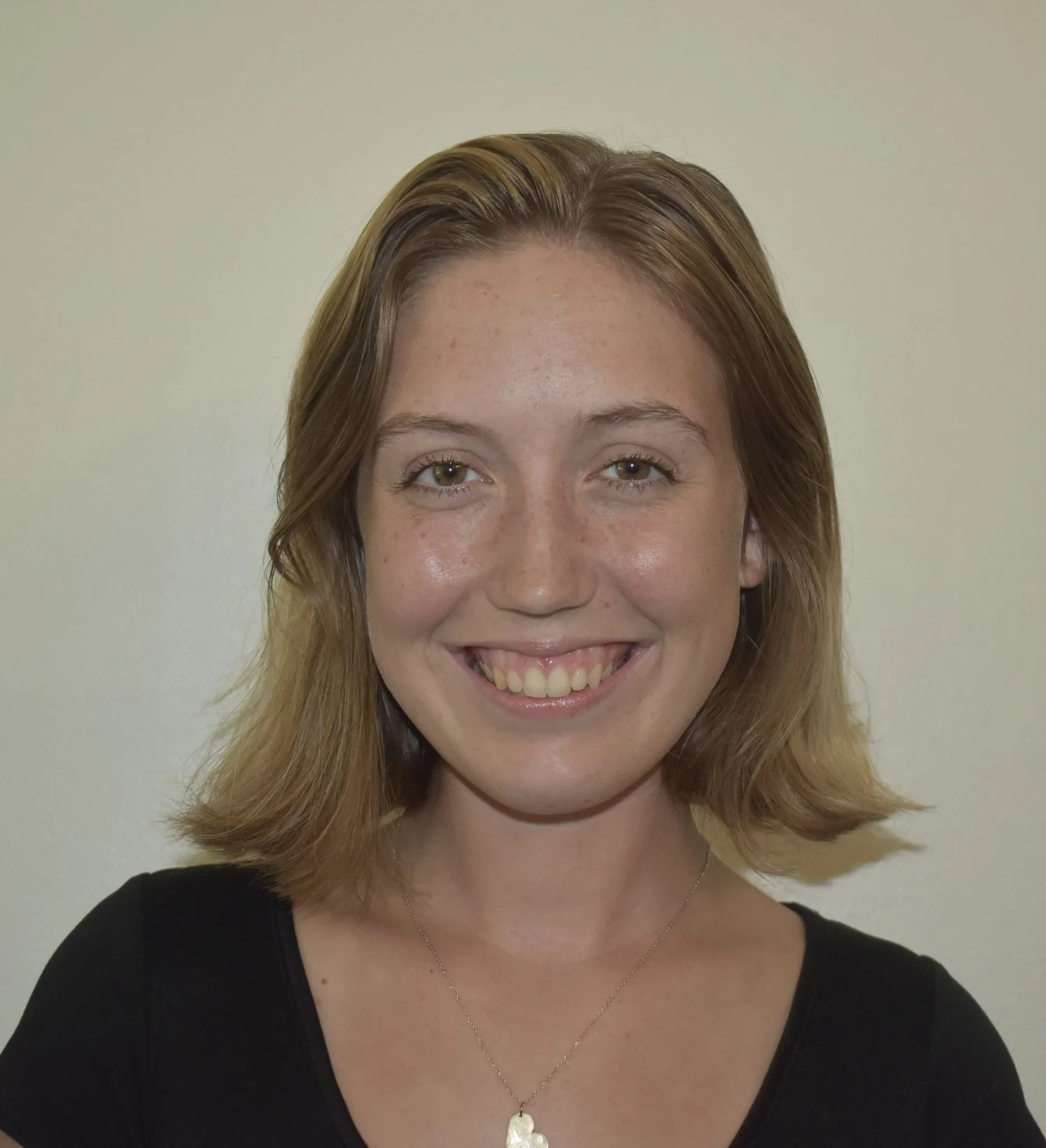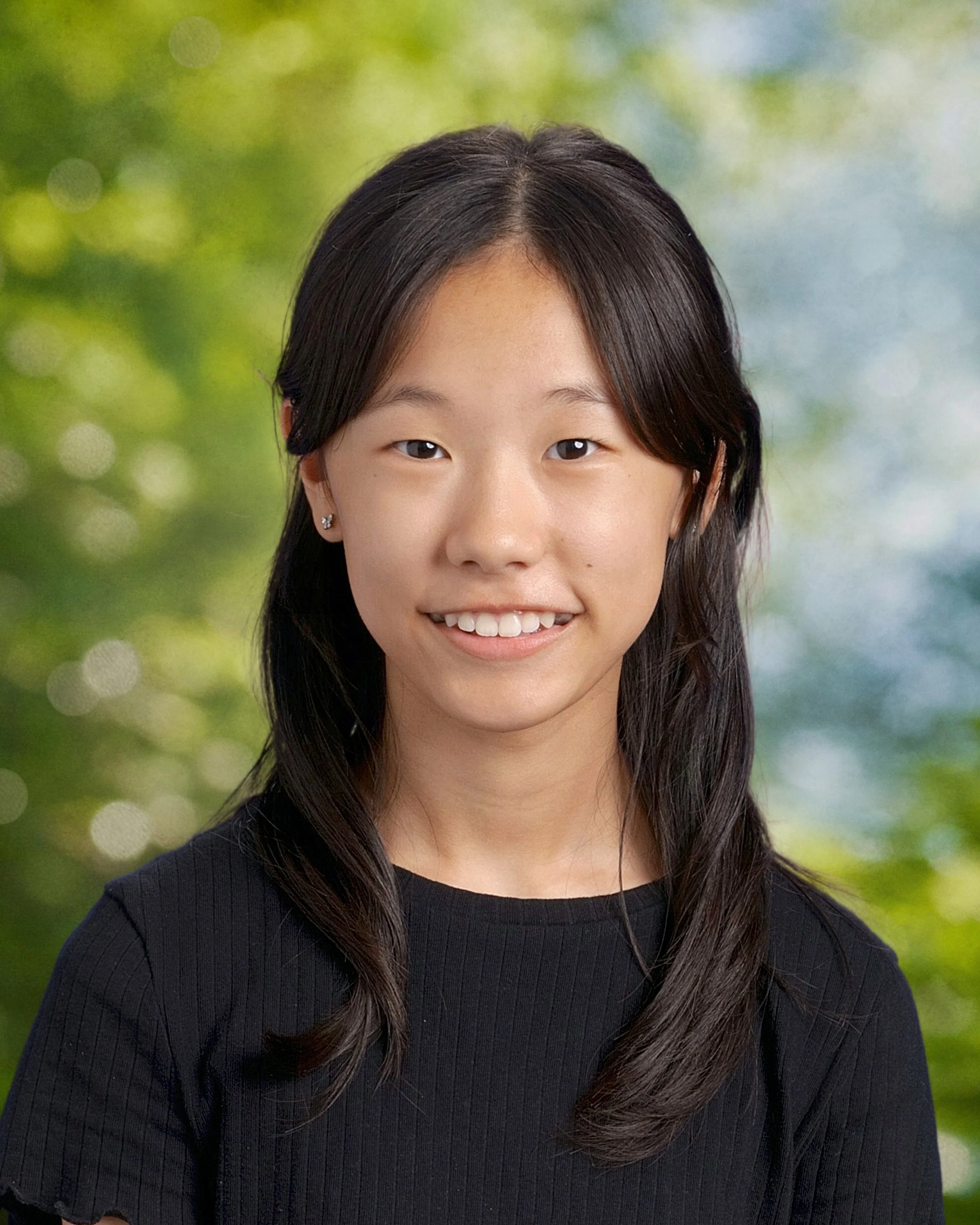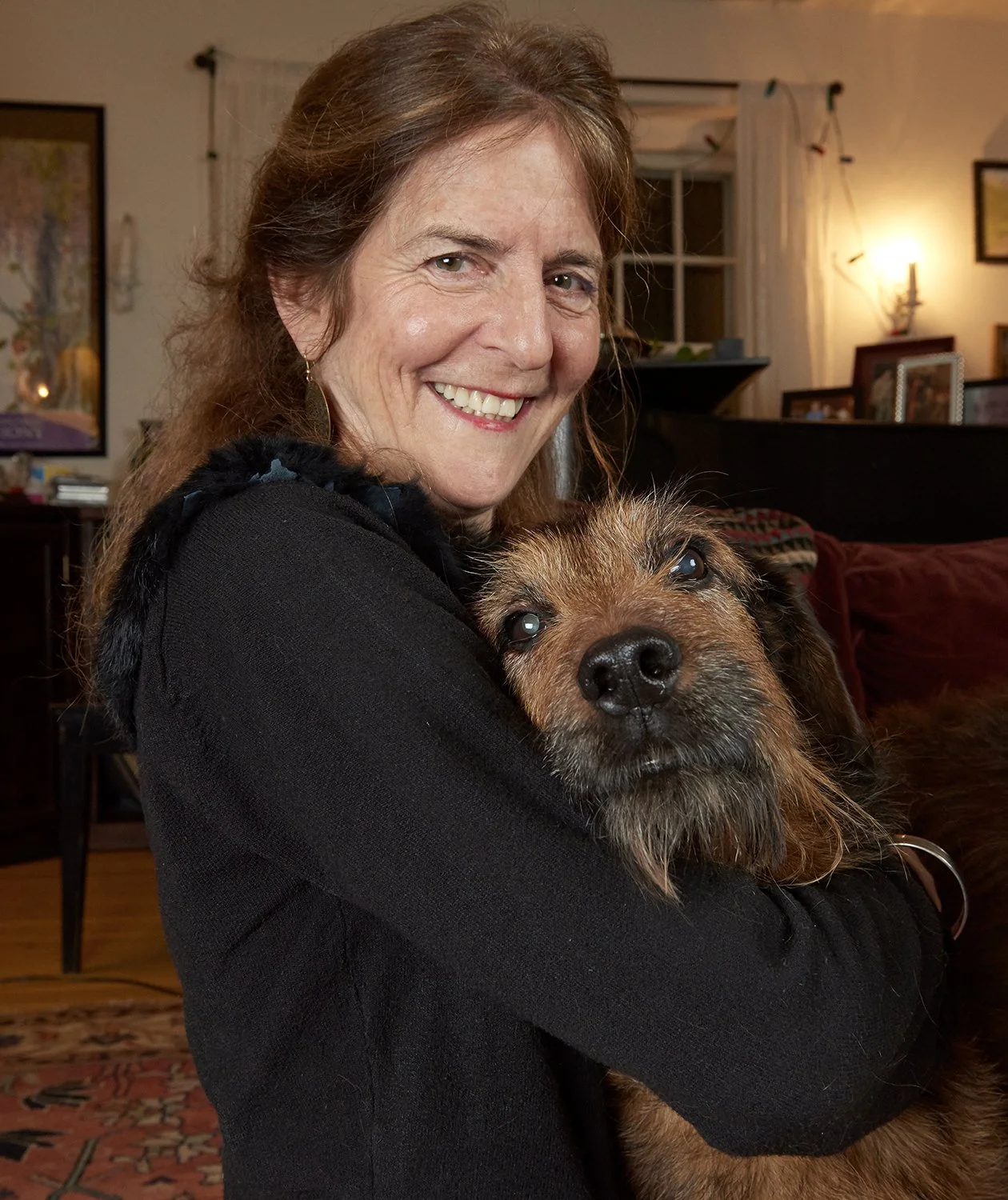
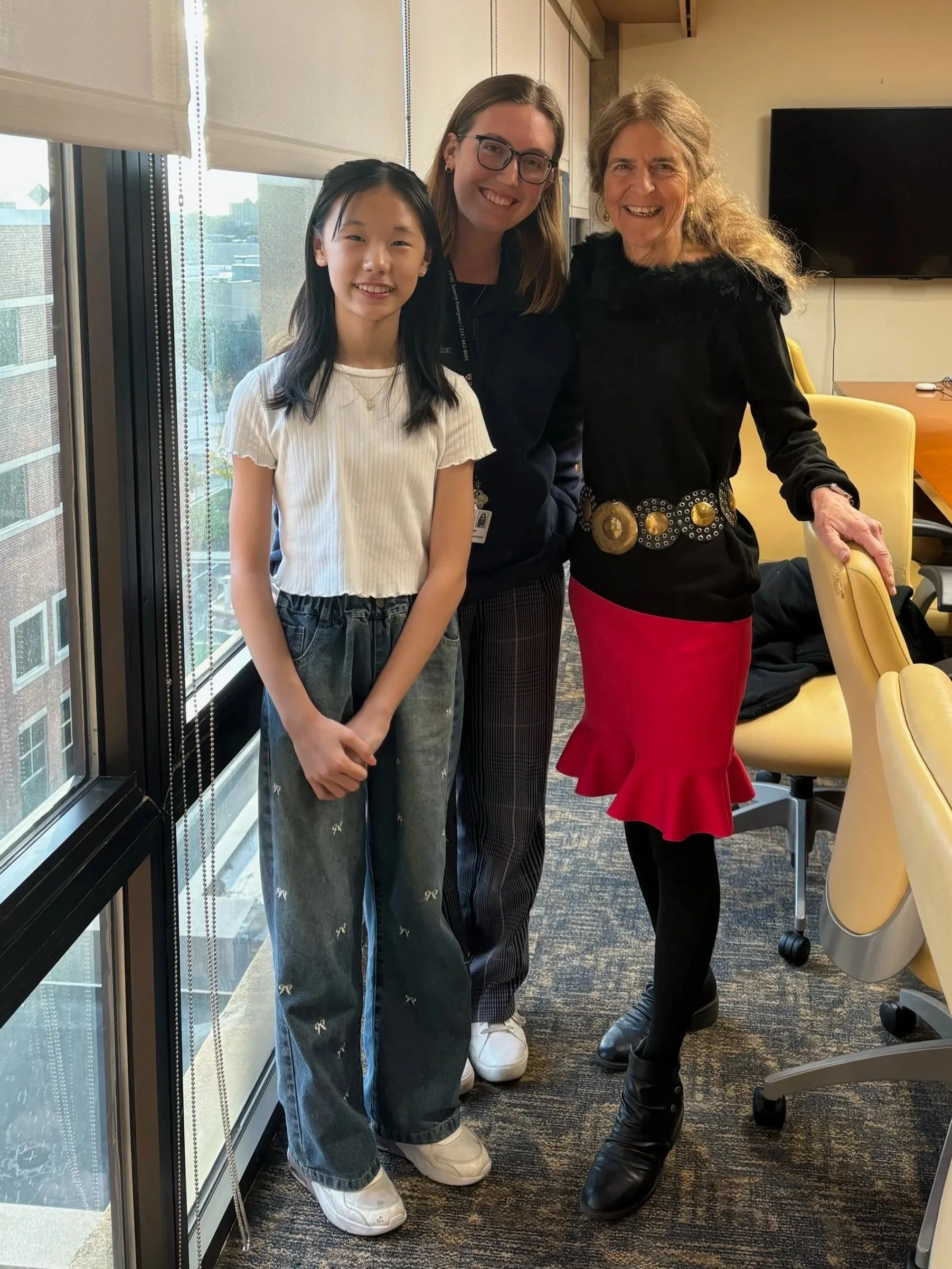
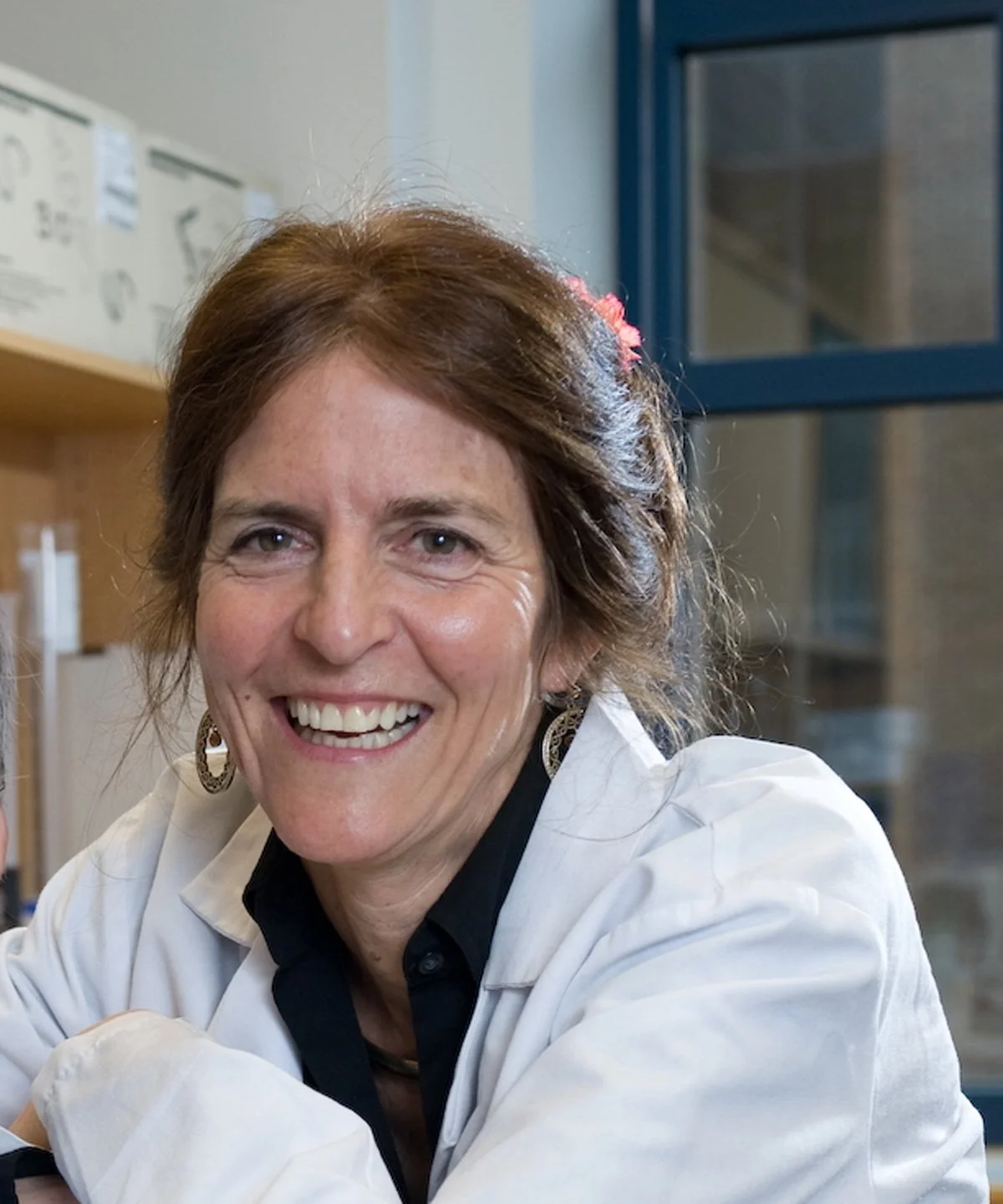
In this inspiring episode, hosts Eli and Claire interview Dr. Jean Bennett, a pioneering gene therapy researcher who developed the first FDA-approved gene therapy to treat inherited blindness. Dr. Bennett shares her remarkable journey from childhood curiosity to groundbreaking scientific achievement, offering invaluable advice for young women pursuing careers in STEM.
Dr. Bennett is Professor Emeritus of Ophthalmology at Penn Medicine and a trailblazer in gene therapy research. Over her three-and-a-half-decade career, she has transformed the treatment of inherited retinal diseases. Her work at the Scheie Eye Institute led to one of the first FDA-approved drugs to help cure blindness, specifically for retinitis pigmentosa.
Key Topics Discussed
Early Influences and Career Path
Growing up in New Haven, Connecticut with a Yale professor father who co-invented the first laser
Early fascination with biology sparked by a microscope and the book "The Microbe Hunters"
Choosing seeds over candy at age four—an early sign of scientific curiosity
Her father as a role model for hands-on scientific work
Educational Journey
Unique training path: PhD in early development studying sea urchins
Postdoctoral work on mammalian development in mice
Pivotal moment witnessing gene insertion creating "super mice"
Decision to attend Harvard Medical School to learn about diseases
Combining laboratory science with clinical application
Overcoming Challenges
Being advised to leave science by a male professor
Finding mentorship from Dr. Virginia Lee, who encouraged her to "put on the jets"
Confronting the tenure decision with three young children
Dealing with ongoing imposter syndrome throughout her career
The Gene Therapy Breakthrough
The Dog Studies
Working with three blind puppies: Lancelot, Guinevere, and King Arthur
The eureka moment when veterinary technicians reported the dogs could see after just two weeks
Dogs went from cowering in corners to running, playing catch, and avoiding obstacles
Why dogs were chosen over mice (fortuitous decision that saved the research)
Moving to Human Trials
Starting with three adults before moving to children
First four patients came from Italy due to lack of genotyped patients in the US
The emotional moment of witnessing blind children gain vision
Navigating FDA approval and institutional review boards
Creating comprehensive consent forms addressing unknown risks
Gene Therapy Applications
Why the eye is an ideal target for gene therapy (minimal immune response)
Expanding to other organs: cochlea (inner ear) for hearing loss
Potential for kidney, brain, and systemic disease treatments
Current FDA-approved gene therapies for spinal muscular atrophy, muscular dystrophy, and hemophilia
Current Work and Future Directions
Recently returned from three months in New Zealand
Consulting with Opus Genetics on rare conditions
Developing gene therapy for age-related macular degeneration
Creating a sheep model for inherited blindness in New Zealand
Continuing to mentor the next generation of scientists
Memorable Quotes
"I'm gonna show Dr. So-and-so that I can do it."
"Put on the jets, show them that you can do it, accept every invitation you're given to a talk, write papers, do your experiments, and just put on the jets." - Virginia Lee's advice
"All the credit goes to them [patients] for taking the risks."
"Find something that you like to do because otherwise what you will end up doing will be a chore."
"I try to remind myself that I have actually seen amazing things happen in the lab and it's not my imagination run wild."
Key Advice for Young Women in Science
On Career Development
Find something you genuinely love doing
Seek out mentors and don't be afraid to reach out to people doing exciting work
It's never too early to explore your interests and contact experts
Explore different paths until you find what fits
On Dealing with Failure
Sometimes failure teaches you more than success
When hitting a wall, step back, get advice, then move on to something else
Let things percolate—fresh perspectives often come with time
Use setbacks as motivation to prove doubters wrong
On Imposter Syndrome
Recognize it's common and may never fully go away
Remember you're part of a team—no one succeeds alone
Focus on the facts and amazing things you've witnessed
Acknowledge everyone's unique contributions
On Being a Woman in Science
Listen and observe carefully before speaking
Think about how to communicate effectively within male-dominated spaces
Find and support other women in science
Keep in touch with trainees and help them throughout their careers
The Importance of Collaboration
Dr. Bennett emphasized the critical role of her husband, Dr. Albert Maguire, in their research success:
He brought clinical expertise and surgical skills to the laboratory work
Served as Principal Investigator for clinical trials
Spent one afternoon per week in the lab performing specialized procedures
Combined his patient care experience with her laboratory expertise
Resources and Connections
Scheie Eye Institute at Penn Medicine
Virginia Lee's previous Girl Power Gurus interview
Opus Geneticstx.com/ (developing gene therapy for rare conditions)
Research on age-related macular degeneration
Closing Thoughts
Dr. Bennett's story is one of perseverance, collaboration, and genuine passion for science. From selecting seeds over candy as a four-year-old to developing groundbreaking treatments that restore sight, her journey demonstrates that following your curiosity and pushing through obstacles can lead to truly transformative work. Her emphasis on teamwork, mentorship, and treating colleagues and patients as family offers a powerful model for the next generation of scientists.
Show Notes & Links Of Interest
[00:00 - 02:00] Introduction and Episode Preview
Hosts introduce Dr. Jean Bennett and her work at Scheie Eye Institute
Preview of retinitis pigmentosa and gene therapy discussion
[02:00 - 03:20] Guest Introduction and Gene Therapy Basics
Dr. Bennett introduces herself as Professor Emeritus at Penn Medicine
35 years studying gene therapy
Explanation: Gene therapy manipulates DNA/RNA to alter cell characteristics
[03:20 - 05:30] Childhood in New Haven, Connecticut
Father was Yale professor and co-inventor of the first laser
He was a role model for hands-on science
Early memory at age 4: choosing seeds over candy
Parents gave her a microscope, mother gave her "The Microbe Hunters" book
Knew from childhood she wanted to study biology
[05:30 - 06:00] Alternative Career Dreams
Wanted to be a pianist
Still an amateur pianist but knew she wouldn't reach professional level
[06:00 - 09:00] Biggest Career Challenge: The Tenure Decision
As assistant professor at Penn, faced critical tenure threshold
Male professor advised her to leave science
She had three young children (oldest was 6)
Couldn't find senior women professors to talk to
Found Dr. Virginia Lee, who became her “idol”
[09:00 - 10:00] Virginia Lee's Pivotal Advice
Virginia Lee: "Put on the jets, show them that you can do it"
Accept every speaking invitation, write papers, do experiments
Another female professor had discouraged her, saying children made career impossible
Dr. Bennett's response: "I'm gonna show Dr. So-and-so that I can do it"
[10:00 - 12:20] Path to Medical School
PhD on sea urchin early development
Moved to mammalian development with mice
Witnessed groundbreaking experiment: gene insertion creating "super mice" 5x normal size
Realized potential: if genes can make mice bigger, they could treat disease
Met someone at NIH working on gene therapy who advised: go to medical school, learn diseases, return to lab
Applied to Harvard Medical School ("What are the chances?") and got in
[12:20 - 14:20] Dealing with Failure and Self-Doubt
Failure can teach valuable lessons about hypothesis and process
When hitting a wall: get advice, then move on to something else
Let things percolate, come back refreshed
Example: FDA initially rejecting proposals, then finding solutions after reflection
[14:20 - 18:00] The Gene Therapy Breakthrough: The Dog Studies
Three blind puppies: Lancelot, Guinevere, King Arthur
Dogs were scared, couldn't see, hunched in corners
Injected one eye of each dog with gene therapy
Two weeks later: veterinary technicians called with breakthrough news
Dogs were watching people, running, playing catch, avoiding objects
Dr. Bennett's eureka moment: behavior completely changed
[18:00 - 19:00] Why Dogs Instead of Mice?
Fortuitous decision that saved the research
Reagent didn't work well in mice but did work in dogs
Would have ended experiments if they'd stuck with mice
Dog eyes are large (larger than human eyes)
Have area analogous to human macula (central vision)
Surgical techniques transferable to humans
[19:00 - 21:00] Gene Therapy Applications Beyond the Eye
Eye ideal because minimal immune response
Similar immune characteristics in cochlea (inner ear)
Medical student developed cochlear gene therapy for hearing loss
Children with congenital deafness recently treated successfully (New England Journal of Medicine)
Kidney potential target
Systemic diseases now being treated: spinal muscular atrophy, muscular dystrophy, hemophilia
[21:00 - 23:00] Research Beyond Ophthalmology
Mainly ophthalmology because in ophthalmology department
Benefits of university: collaborators in multiple fields
Has worked on cochlea, heart, muscular dystrophy, brain disorders
Free range approach to research
[23:00 - 24:20] Imposter Syndrome
Never gotten rid of it: "What am I doing here? How did I fool everybody?"
Still feels like she's learning
Reminds herself of amazing things witnessed in lab
Recognizes work requires "a village of people"
Just helping with the whole mission
[24:20 - 25:00] Greatest Accomplishment
Most proud of persevering and leading team to develop first gene therapy
Feels lucky to work with amazing people
Getting to know incredible patients who volunteered
The experience has been extraordinary
[25:00 - 28:00] The Clinical Trial Journey
Phase 1 trial enrolled 12 people
Multiple ingredients needed: approvals, consent forms, safety protocols
Comprehensive consent included imagined adverse events (no one had done this before)
Example: "What if you don't like your vision? We have ways of removing it"
Surprising challenge: no genotyped patients available in US
Italian collaborators had genotyped their patients
First four patients were Italian (unexpected)
Americans eventually caught up
[28:00 - 30:00] Starting with Adults, Moving to Children
Dog studies showed better results with puppies than adult dogs
Can't start unknown technology trials with children (vulnerable subjects)
First tested three adults
When adults showed no adverse effects and improved, enrolled first child
Children are vulnerable subjects requiring extreme caution
[30:00 - 32:00] Current Work
Recently returned from three months in New Zealand
Working in clinics, advising on gene therapy development
New Zealand doesn't have gene therapy yet but has patients and expertise
Consulting with Opus Genetics on very rare conditions
Helping develop gene therapy for age-related macular degeneration
Creating sheep model for inherited blindness in New Zealand (many sheep available there)
[32:00 - 33:00] Why Sheep Eyes?
Similar to dog eyes in size
Have center of fine visual discrimination like dogs
Different pupil appearance but similar internal structure
[33:00 - 35:00] Mentors and Role Models
Had many role models at various career stages
Most were males (few women scientists running labs at the time)
PhD advisor was excellent mentor (heartbroken when she went to medical school)
French Anderson (gene therapy pioneer) recommended Harvard Medical School
Sought them out based on exciting work they were doing
[35:00 - 36:00] Collaboration with Husband
Key to success: collaboration with husband
Husband brought specialized surgical expertise
One afternoon per week in lab doing subretinal and intravitreal injections
He was PI of clinical trials, determined effectiveness tests
Combined laboratory and clinical expertise
[36:00 - 38:00] Advice for Young Women
Find something you like to do, otherwise it becomes a chore
May take time to explore and find what fits
Never too early to reach out to people and explore interests
Seek mentors who encourage you
Support is key
[38:00 - 39:00] Empowering Women
Tries to be role model for trainees of all ages (junior high through attendings)
Provides experience, recognition, credit, and constructive criticism
Keeps in touch after direct work relationship ends
Views trainees as part of her family
Wants to help with their careers, passing on what others did for her
[39:00 - 40:00] One Quality to Embrace
Listen and observe
As usually the only woman in the room, learned to reflect before speaking
Think about how to say things effectively
Helps feel part of the team while staying true to herself
[40:00 - 42:00] Closing and Career Discussion
[42:00 - 43:00] Post-Interview Reflection
Hosts discuss Dr. Bennett's positive attitude and family approach
Appreciation for her care about people beyond just science
Discussion of how she persevered despite being told to quit
Connection to Virginia Lee's similar story
Emphasis on passing wisdom forward and building each other up
Hosts