
Checkout our first podcast on Professor Drew Faust, the first female president of Harvard University. Professor Faust shares her interesting life experiences and bits of wisdom/advice that we feel will be beneficial to our listeners.
interview, Musician
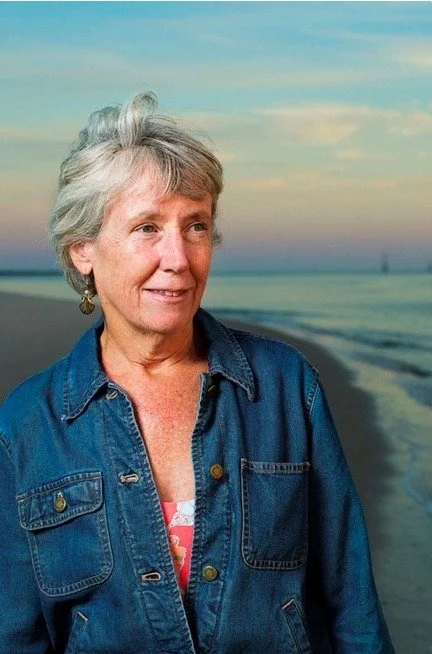
Dr. Cindy Van Dover is a pioneering deep-sea biologist and explorer whose career took her to some of the most extreme habitats on Earth. In 1990 she became the 49th person — and first woman — certified to pilot the deep-submergence vehicle Alvin, ultimately logging nearly 100 dives to the ocean floor, a mile and a half or more beneath the surface. Her research on chemosynthetic ecosystems, the communities of giant tube worms, mussels, shrimp, and bacteria that thrive around hydrothermal vents by living off chemical rather than solar energy, helped define an entirely new field of ocean science, and her graduate work revealed that scalding "black smoker" vents actually glow, uncovering a hidden source of light in the deep sea. She went on to direct the Duke University Marine Laboratory and later served as Harvey W. Smith Professor of Biological Oceanography at Duke's Nicholas School of the Environment, where her focus expanded into deep-sea conservation and environmental management, especially the challenge of balancing seabed mining with protecting fragile vent ecosystems. Now retired as professor emeritus, she remains one of the most influential voices in deep-sea exploration.
In this episode, Annika is joined by brand-new co-host Lacy Walker, a high school sophomore with her own passion for marine biology, to talk with Dr. Van Dover about her journey from poking around New Jersey tide pools as a kid to piloting a submarine on the seafloor. She shares the story of persistence that got her into the Alvin pilot program after early rejections, describes what it's like to watch tube worms and swarming shrimp thrive beside a 350°C black smoker, and speaks candidly about facing harassment and self-doubt as one of few women in a male-dominated field. The conversation also touches on her mentors, her recent love of CrossFit, and the advice she'd give any young woman chasing a dream in science: stay curious, learn to communicate your ideas, and don't be afraid to just ask.
interview, Musician
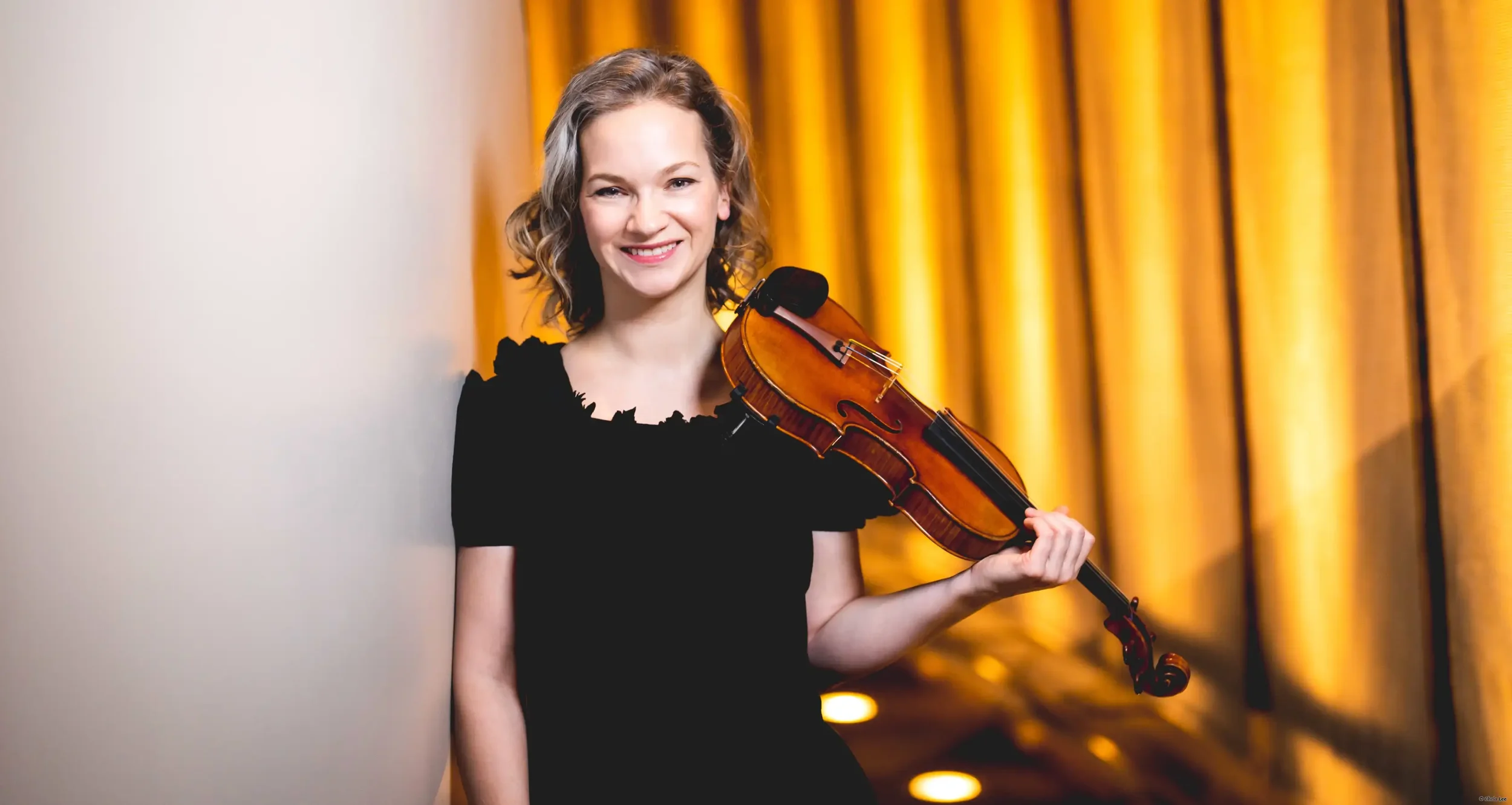
Hilary Hahn is a three-time Grammy Award–winning violinist, widely regarded as one of the greatest violinists of her generation. Since beginning violin at age four in Baltimore, she has built a career as a solo touring artist, chamber musician, and teacher, performing with the world's leading orchestras and conductors.
In this episode, Hilary joins hosts Annika and Claire for a candid conversation about her musical journey — from her earliest training and the emotional relationship musicians build with their instruments, to imposter syndrome, the real meaning of "progress" in practice, and the difference between compromise and sacrifice. She shares the on-stage breakthrough that changed how she performs, offers advice for young women pursuing ambitious careers, and reflects on what it means to stay true to yourself while chasing a dream.
interview, Scientist
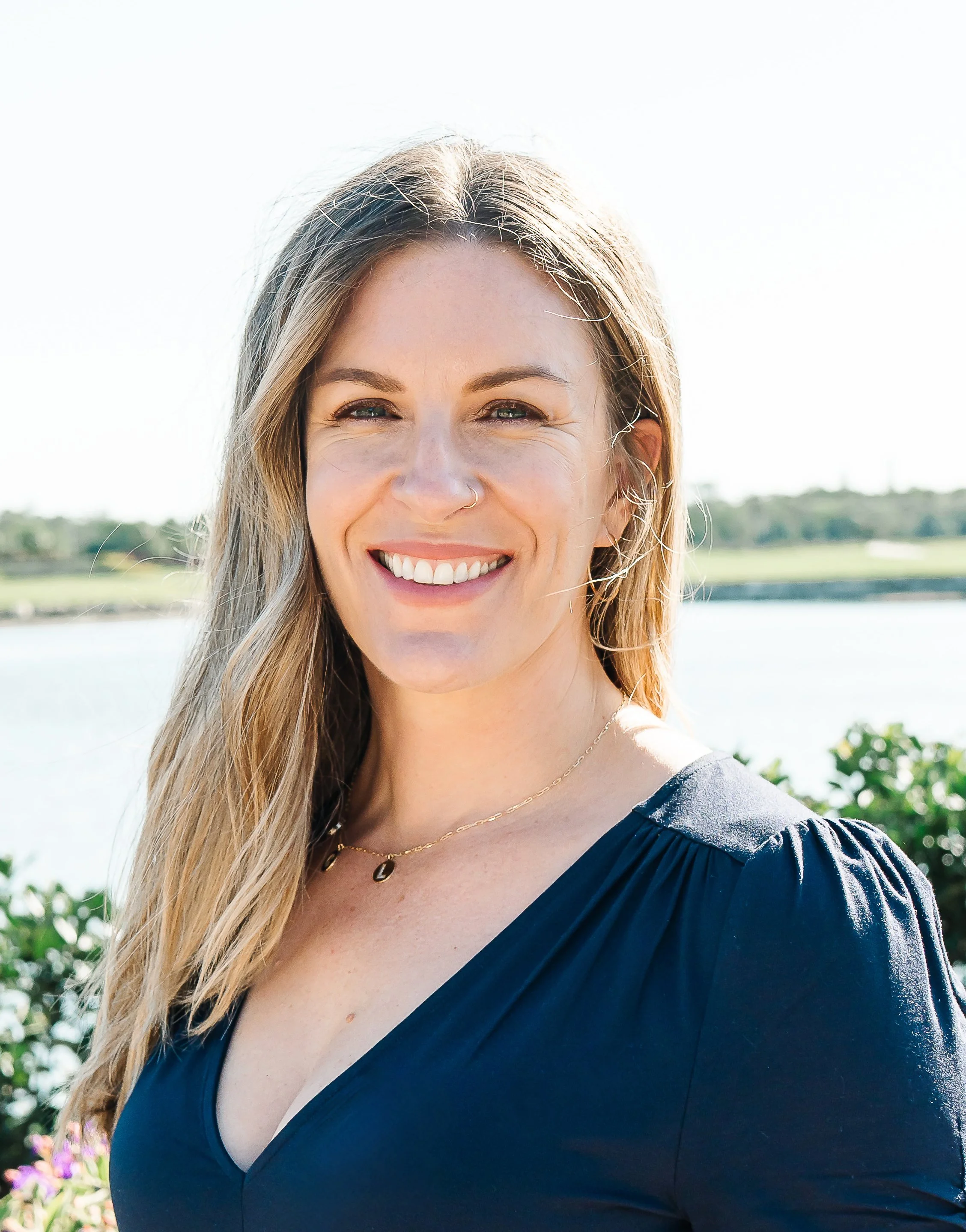
Dr. Alyssa Whitcraft is a Research Professor at the University of Maryland and the Director of NASA Acres, NASA's US-focused agriculture program. She helped found NASA Harvest in 2017 and has dedicated her career to applying satellite data, machine learning, and geospatial tools to benefit agriculture worldwide. Her work sits at the cutting edge of space technology, earth science, and sustainable food systems—proving that NASA is about much more than just space exploration.
In this inspiring conversation, Dr. Whitcraft shares her unconventional path from pre-med student to leading NASA's agriculture programs. She opens up about struggling with anxiety and depression in college, the pivotal geography course that changed her life, and dealing with imposter syndrome even at the height of success. She discusses the realities of being a woman in male-dominated STEM fields, and the challenges of balancing motherhood with a demanding career. Above all, she emphasizes the importance of following your curiosity, believing in yourself, and remembering that it's never too late to try something new. Whether you're interested in technology, agriculture, or simply learning how to navigate life's challenges with grace and determination, this episode offers wisdom and encouragement for dreamers of all ages.
interview, Healthcare, Scientist
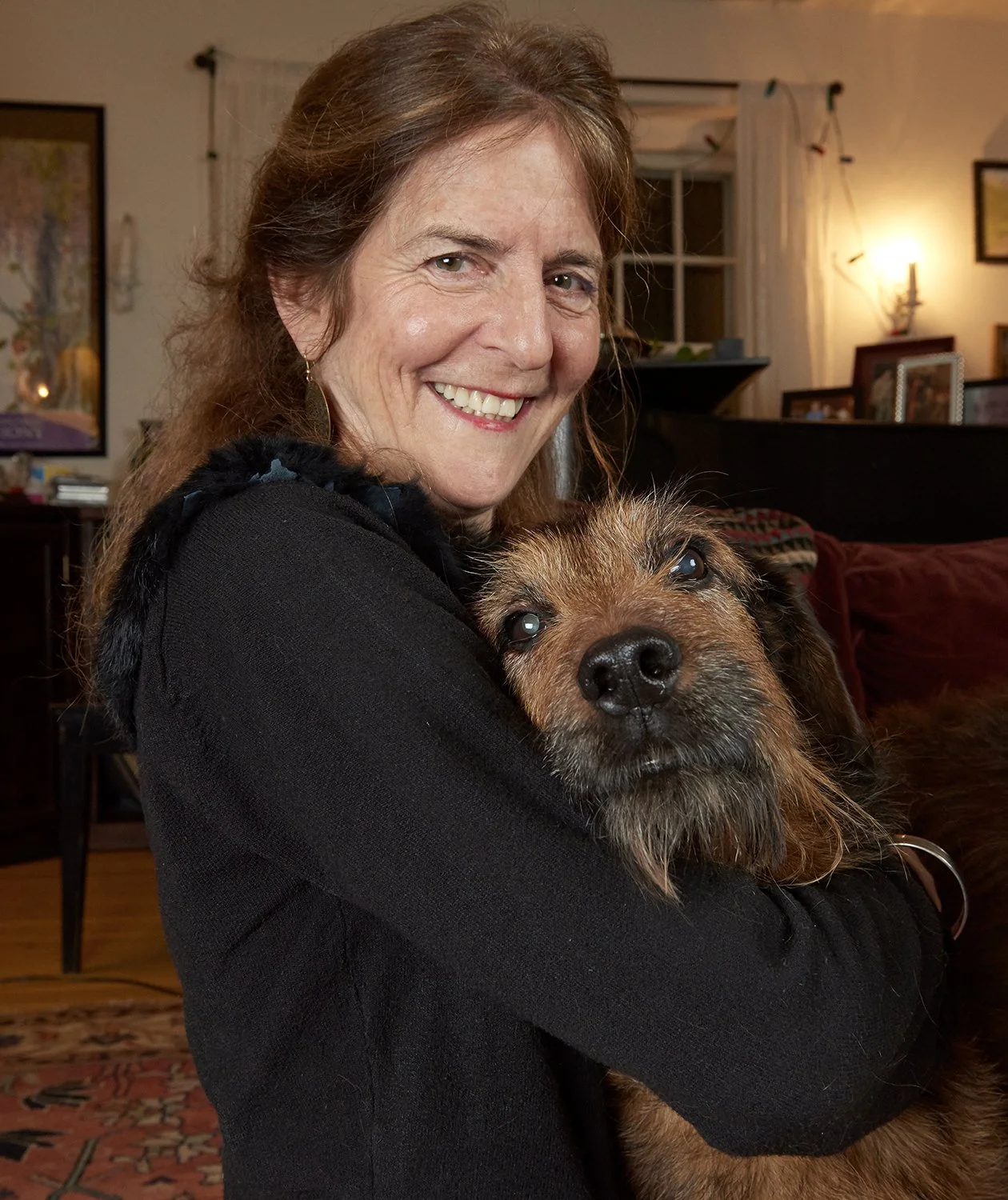
at Penn Medicine and a true pioneer in gene therapy research. Dr. Bennett led the team that developed the first FDA-approved gene therapy to treat inherited blindness, transforming the lives of patients with retinitis pigmentosa and other retinal diseases. Her groundbreaking work spans over three decades and has opened doors for gene therapy applications far beyond ophthalmology.
Dr. Bennett shares her remarkable journey from a curious child in New Haven, Connecticut—who chose seeds over candy at age four—to becoming a world-renowned scientist. She opens up about the challenges she faced as a woman in science, including being advised to leave her field entirely when seeking tenure at Penn. With candor and humor, she discusses how mentorship from previous Girl Power Gurus guest, Dr. Virginia Lee, helped her persevere, the emotional eureka moment when blind dogs first regained their sight, and what it felt like to witness blind children see for the first time. Dr. Bennett also offers invaluable advice for young women pursuing STEM careers, emphasizing the importance of finding work you love, building collaborative teams, and never giving up on your dreams despite the obstacles. This is a must-listen for anyone interested in science, medicine, or the power of determination.
interview, Healthcare, Education
This episode features Dr. Marianne Baernholdt, Dean of the School of Nursing at the University of Virginia, who brings a unique international perspective to healthcare leadership. Born in Denmark and educated across multiple countries, Dr. Baernholdt's journey spans continents, cultures, and nearly every role within the nursing profession.
We discuss her pioneering research in rural healthcare, which challenges common assumptions about healthcare quality in underserved areas. Her studies reveal that rural hospitals often excel in team dynamics and holistic patient care, providing crucial touchpoints for communities that would otherwise lack access to preventive healthcare. Dr. Baernholdt also shares insights from her global health work, including eye-opening experiences in South Africa where rural clinics demonstrated sophisticated quality tracking methods ahead of their time.
As an immigrant and first-generation college graduate, Dr. Baernholdt offers honest reflections on dealing with imposter syndrome, finding belonging in new environments, and learning to laugh at yourself along the way. Her advice to young women is refreshingly practical: be curious, don't limit yourself, and do it even when you're uncomfortable—because nobody else can see those butterflies in your stomach. From co-founding Denmark's first women's crisis center to leading a top nursing school while mentoring the next generation, Dr. Baernholdt exemplifies how embracing vulnerability and supporting others can create lasting change.
